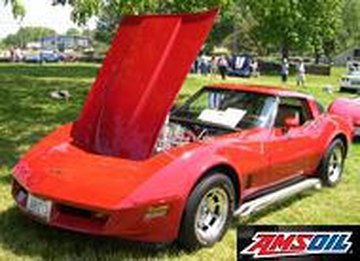
Lubrication Maintenance for the 1981 Chevrolet CORVETTE 5.7L
Maintaining a high-performance vehicle requires a disciplined approach to fluid management and mechanical inspections. For owners of a 1981 Chevrolet Corvette equipped with the 5.7L engine, consistent attention to lubrication systems is a fundamental aspect of long-term preservation. Because these vehicles represent a specific era of automotive engineering, maintenance strategies should focus on current component condition rather than relying solely on age-based assumptions.
Monitoring Fluid Integrity and Potential Leaks
A primary task during any routine service interval is the visual assessment of the engine compartment for signs of fluid loss. Even in well-maintained vehicles, various seals and gaskets can undergo changes over decades of thermal cycling. When performing an inspection, look for dark staining or wetness around mating surfaces where components meet the engine block.
If you observe any evidence of seepage, it is important to investigate the source rather than assuming a specific component has failed. Seepage may be localized to a single area or could indicate a broader issue with pressure regulation within the system. Additionally, checking the condition of the oil itself can provide clues about engine health. If the lubricant appears excessively dark, gritty, or carries an unusual odor, it may warrant an earlier service than originally planned. Always remember that multiple factors can contribute to changes in fluid appearance, so a thorough inspection is necessary to determine the actual cause.
Observing Operational Warning Signs
Beyond visual inspections of stationary components, paying attention to how the vehicle behaves during operation is vital. Changes in how the engine sounds or performs can be early indicators that lubrication levels or quality are deviating from the norm. For example, unusual mechanical noises that occur specifically during startup or under heavy load should be investigated promptly.
If you notice a sudden increase in lubricant consumption between service intervals, this is a significant signal that requires attention. Similarly, any dashboard indicators related to engine oil should be treated with immediate priority. It is important to approach these symptoms with a diagnostic mindset; an indicator light or a change in sound does not automatically point to one specific part, but rather serves as a prompt to conduct a more detailed mechanical evaluation. Addressing these signs early can prevent minor issues from escalating into more complex mechanical concerns.
Prioritizing Long-Term Engine Care
For an owner of a 1981 Chevrolet Corvette, effective maintenance is often about establishing a baseline and then monitoring for deviations. If the vehicle's service history is incomplete, your first priority should be to document its current state through comprehensive inspections of all fluids, filters, and accessible mechanical connections.
When managing an older engine, it is more productive to prioritize maintenance based on the actual condition of the parts rather than following a generic age-based schedule. This means focusing on active concerns—such as a small leak or a slightly worn belt—before moving on to parts that appear to be in good working order. Keeping a detailed log of every oil change, filter replacement, and observed repair helps create a roadmap for future service. This documentation is invaluable for identifying patterns, such as whether certain components require more frequent attention than others, allowing for a more proactive rather than reactive approach to ownership.
Inspecting Auxiliary Engine Components
While the engine's internal lubrication is paramount, the external systems that support engine operation also require regular oversight. If equipped, inspect all accessible drive belts for signs of deterioration such as cracking, glazing, or fraying. These components are subject to heat and friction, which can cause the material to lose its flexibility over time.
Furthermore, if the vehicle is equipped with various hoses, check them for softness, swelling, or visible cracks. Ensuring that these components remain intact is essential for maintaining the overall stability of the engine environment. Electrical connections and wiring harnesses should also be inspected for signs of brittleness or corrosion, as secure electrical integrity is necessary for the proper operation of all engine-related sensors and systems.
Managing Lubricant Quality and Selection
The effectiveness of your maintenance program depends heavily on using a lubricant that meets the specific needs of the 5.7L engine. Modern lubricant technology offers various formulations, including conventional oils, synthetic blends, and full synthetics. Some high-mileage oil formulations contain additives intended for use in aging engines, and some high-mileage formulations include seal-conditioning additives that may be beneficial depending on the current state of your gaskets and seals.
When selecting a product, consider the importance of thermal stability and the ability to resist the formation of deposits. A high-quality lubricant helps manage the heat generated during operation and maintains its protective properties even under varying loads. However, rather than choosing a product based on general marketing claims, you should always prioritize the specific requirements outlined for your particular application.
Practical Guidance for BUYING ENGINE OIL for your 1981 Chevrolet CORVETTE 5.7L
When you are ready to replenish your engine's lubrication, the most critical step is to match the product to the application-specific information provided on this page. Do not rely on general automotive knowledge or assumptions based on the vehicle's age to determine which grade of oil to purchase.
Before finalizing your purchase, follow these steps:
- Verify Viscosity: Match the engine oil to the application-specific viscosity information shown above on this webpage.
- Check Certifications: Ensure the product carries the appropriate API certification to confirm it meets modern quality and performance standards.
- Review Formulations: Evaluate whether a conventional, synthetic blend, or full synthetic oil is most appropriate based on your specific maintenance goals and the information provided in the application data.
- Inspect Labels: Always read the product packaging carefully to ensure the specifications align with the requirements for your 5.7L engine.
By adhering strictly to the technical details provided in the vehicle's documentation, you ensure that the lubrication system receives the exact type of protection it requires for continued operation.